The Melons are Coming!

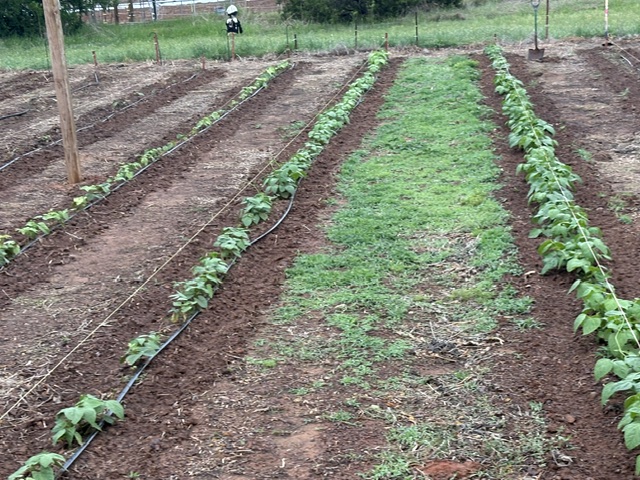
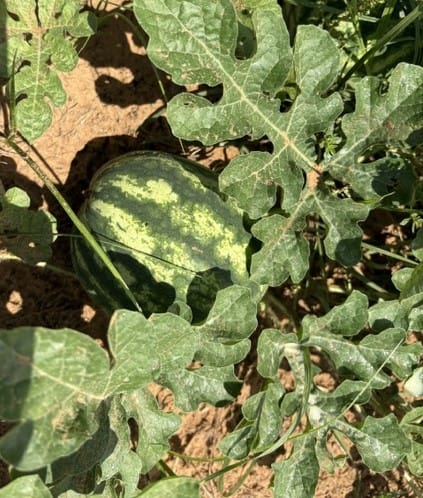
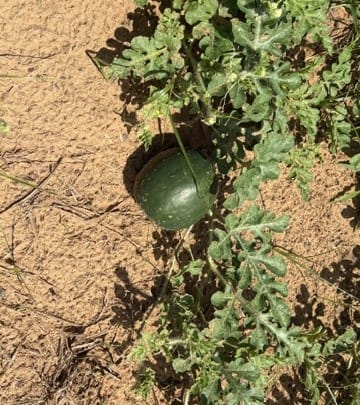
I keep getting asked at the Hillsboro Farmers Market, “when will the melons be ready?” The answer is 4th of July onward. With this being our country’s 250 birthday, why not celebrate this historic day with a farm fresh Texas melon? At Cottrell Country Farm, our melons are grown natural, with lots of love and no chemicals. Additionally, we don’t pick our melons green for shipping. Ever wonder why the grocery melons just don’t seem to taste as good as the farm fresh melons you get at the market? Well, the answer is they are not picked before they are ripe. We don’t have to ship the melons miles away, so there is no need to pick them before they were met to be picked, when they are ripe. You want a tasty melon? Then come see us at the farmer’s market. God Bless America.
Chioggia VS Detroit Red Beets

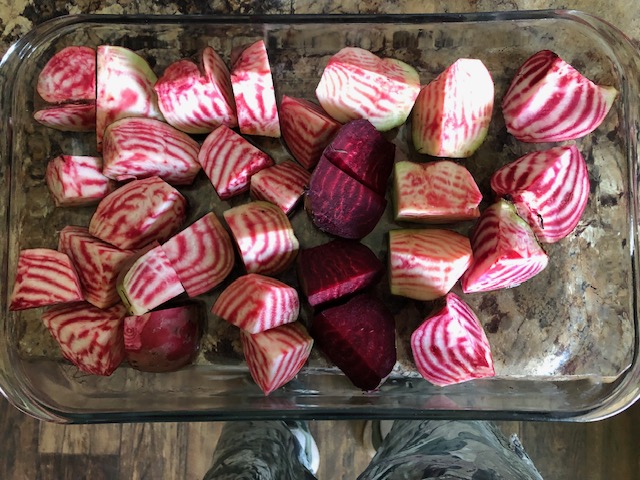
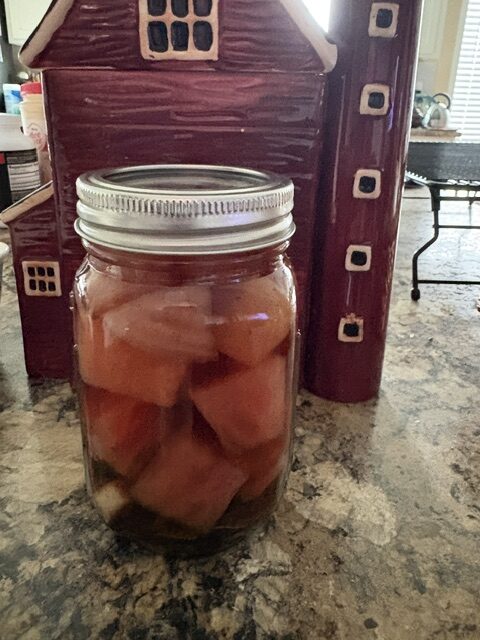
This week I picked my first Chioggia beet. I made They’re Not Hot; They’re Spicy canned beets with my first pick. I wanted to show you the difference between Chioggia and Detroit Red beets. Most people are familiar with Detroit Red beets, although they may not be familiar with the variety name. However, most people are not familiar with Chioggia beets. Chioggia beets trace back to the mid-19th century in Chioggia, a historic fishing town near Venice, Italy, where they were prized for both their appearance and flavor. Chioggia beets are a sweeter beet, which can be eaten hot or cold. They are wonderful cold in a salad. They are not your normal red-looking beet, thus many people avoid them, because they think something is wrong with the beet. However, those who avoid them don’t know what they are missing.

Due to the unusual weather, north Texas had this spring our fresh beets at Cottrell Country Farm will be ready later than usual. I’ve had to replant several times this year, due to the heavy April rains. Beets are tricky to first get established. Too much, or too little water will ruin a crop. Also, if the ground crust, such as in clay soil after a heavy rain, the beet seeds will not break though the crusty soil. Lately I had a few beets come up and will soon have limited amounts at the Hillsboro Farmers Market, mostly Chioggia. See you at the market!

Detroit Red, They’re Not Hot; They’re Spicy canned beets.

Chioggia canned beets

MICROBIAL GROWTH IS VITAL FOR SOIL HEALTH

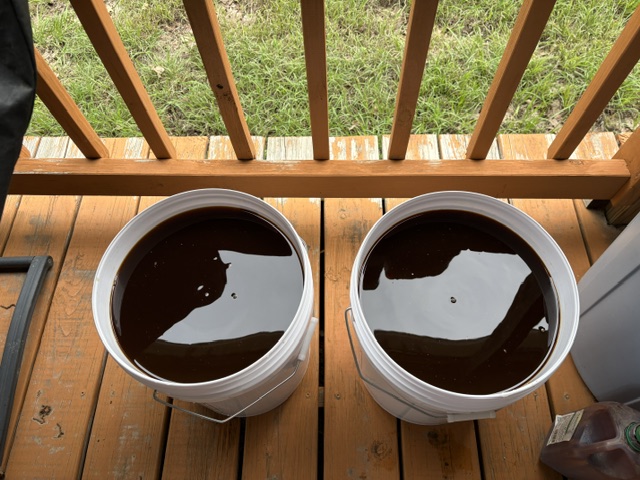
Microbial growth is the increase in the number of microorganisms over time. This occurs naturally in soil with decay, such as in a woods with rotting leaves. However, many gardens/fields that produce crops year-after-year, microbials deplete. This is especially true if you do not practice crop rotation. Note that certain vegetables draw more nutrients out of the soil than others. Tomatoes require large amounts of nutrients. There are little things that you can do to increase microbials in your soil, such as bury kitchen scraps in your garden. However on large vegetable plots, this usually is not enough to replenish microbials. How can you tell if your soil has enough microbials? The best way is to have your soil tested. Soil sample testing is easy and relatively inexpensive. This year, Cottrell Country Farm is trying a different method to ensure our soil is not robbed of important microbials. We are adding microbials back to the soil through irrigation injection. The picture shows one method of doing this.

FARM FRESH CABBAGE

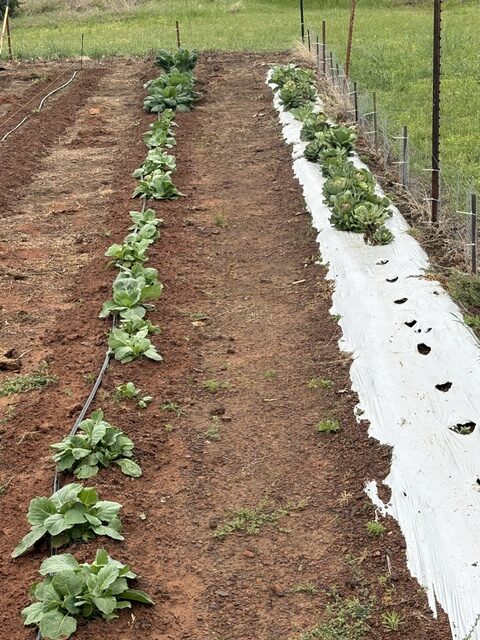
Cottrell Country Farm will be selling cabbage at the Hillsboro Farmers Market. The opening of the 2026 season is 2 May. We will be at our same location. I hope to have initial picks, if not at the opening, soon after. All our cabbage is grown naturally, thus avoiding chemical sprays. You will taste the difference. While many grocery vegetables are good. You don’t know where they came from or what conditions they were grown under. Most large producers use harsh chemicals. With our vegetables, you know you are getting fresh produce, grown in the local area, under natural conditions!

Early Grapes

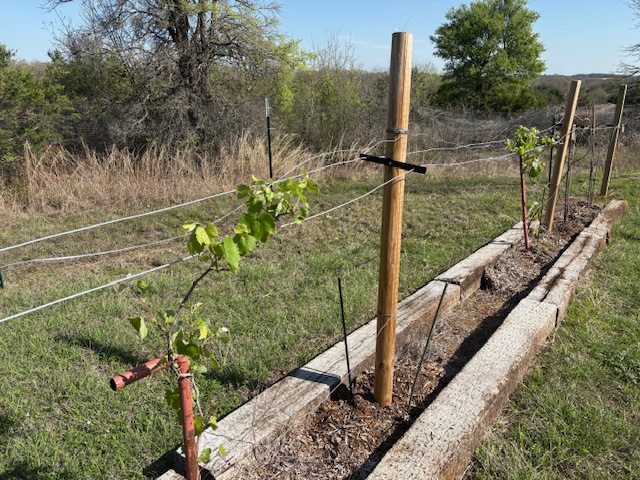
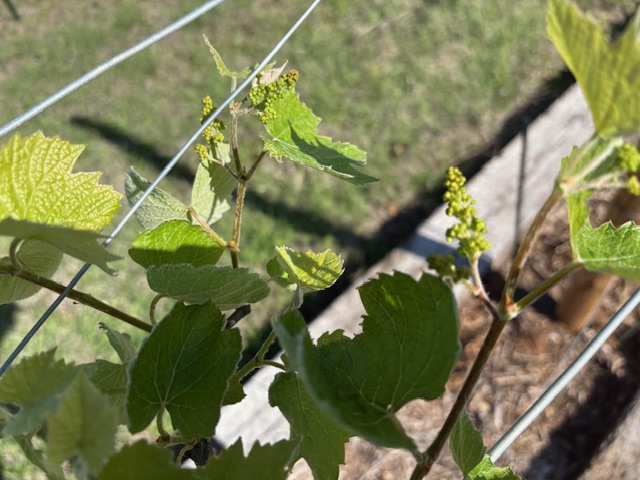
Proper pruning and early warm spring weather have shown positive effects in March. This is just the beginning of grape production at Cottrell Country Farm. A few of the muscadines have come out, but many more are on their way. There are three steps to proper pruning and so far, I’ve only winter pruned. Getting soil samples and properly fertilizing also have reaped benefits. While our crop of grapes our still young, we hope to start selling table grapes this year at the Hillsboro Farmers Market. The market will be opening 2 May. See you at the market!

Christmas Tree Planting

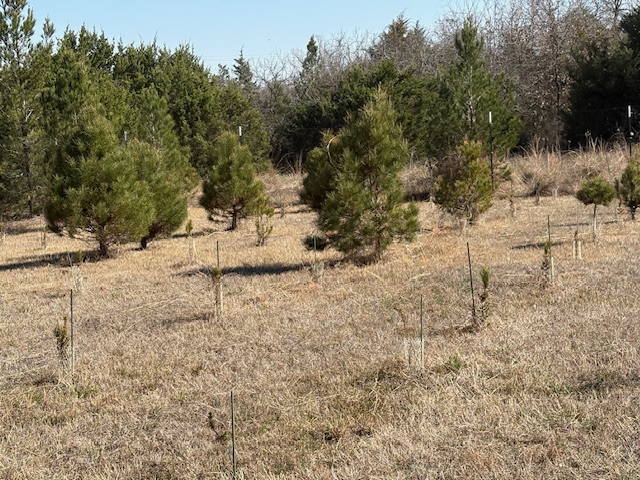
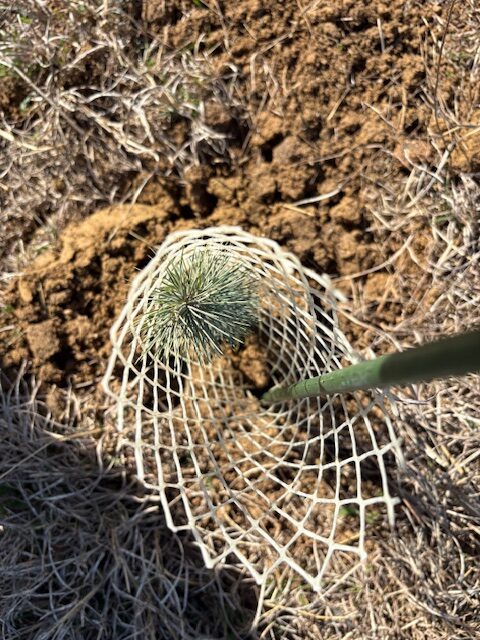
Besides just growing great produce, Cottrell Country Farm also raises Christmas trees. In 2026 we’ve added 25 more trees to our plot. Being in Zone 8, we plant Afghan Pines, because they are drought tolerant. Afghan Pines are excellent Christmas trees. They do not lose their lower branches. Furthermore, once cut, they remain green for an extended period of time, as long as you keep water in the tree holder. How long you ask? Well, I’ve had them last well over a month remaining green. What makes Christmas trees different from other pines? The key is the pruning. Christmas might seem a long way away, however it is a yearlong job at Cottrell Country Farm. If you’ve never had a real tree at Christmas, you should consider buying one this year. There are too many artificial things in our modern world, and Christmas trees are one of them.

GRAPE PRUNING

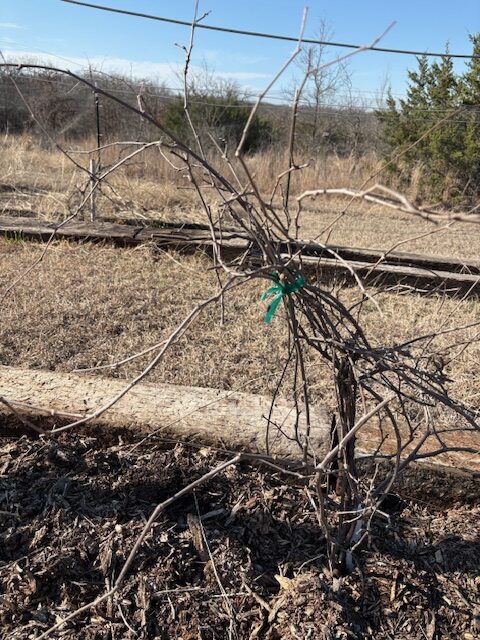
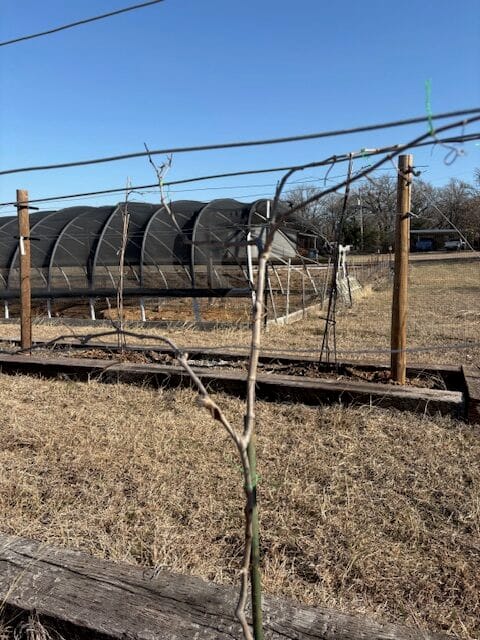
Initial winter pruning needs to occur while the grape vines are dormant. There is also a spring pruning, but that is less labor intensive than winter pruning, especially if your vines are still young. When you get plants at a nursery they usually just tie all the vine shoots together. To properly train your vines you need to eliminate multiple shoots and have one main shoot that becomes a strong trunk. From there, you need to train the vine to branch off in two or four cordons, depending on your support system. Your support system is very important. If it is not strong, it will not support the weight of the grapes. I’ve attached two pictures to provide an idea of winter grape pruning. One before the pruning and the other the finished product. Cottrell Country Farm plans to provide muscadine table grapes for sale at the Hillsboro Farmers Market in future years. This is the beginning of the project.

PEAR TREE WINTER PRUNING

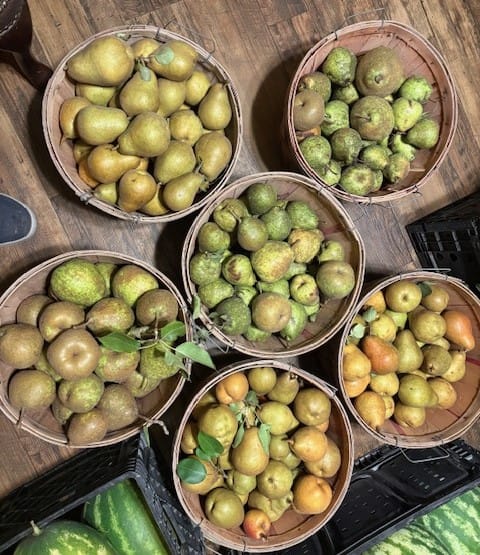
Cottrell Country Farm has expanded in 2026 adding a pear orchard. This is the first year of growing and it will most likely be a few more years before I have my own pears at the Hillsboro Farmers Market. However, in the meantime I partner with a neighbor to sell pears at the market during August.

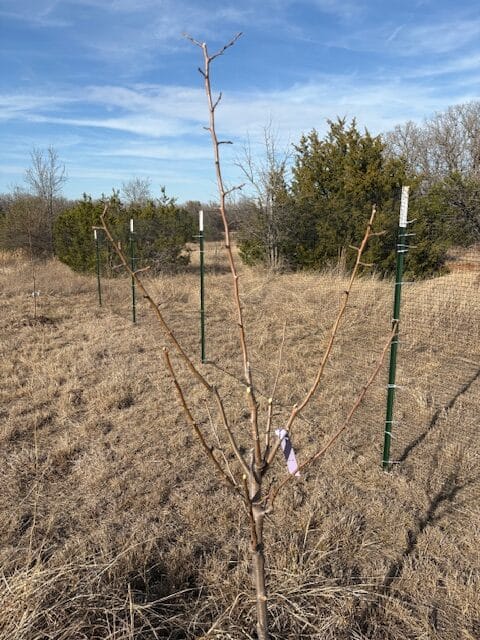
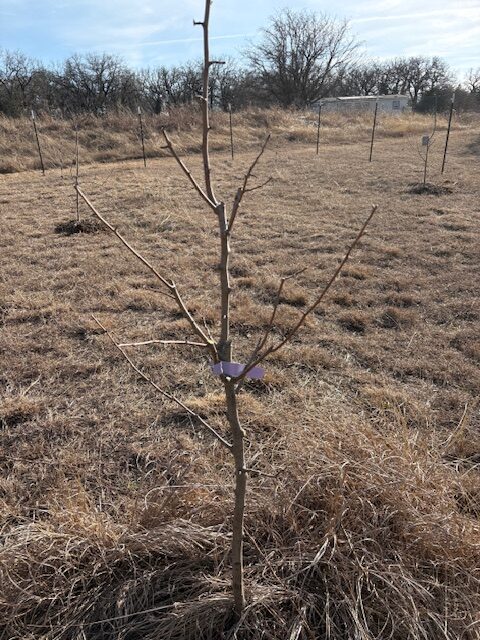
A big part of properly growing pears is to correctly prune your trees. The first step is to start with good healthy trees. I could not find a nursery in the local area that met my standards, so I travel over two hours to get my pear trees. The first year of pruning you must shape the tree for future growth; thus, pruning is more severe. After that you take off 1/4 of the branches. When initial pruning, you need to think about how the sunlight will hit the branches. For example, you never want one branch directly over another, within two feet proximity, going in the same direction. Another key is to have a good set of shears. Spend the extra money on a good shears, you’ll be glad you did. Also, cleaning your shears is a MUST to prevent any disease from spreading from tree-to-tree. These are just a few of the critical pruning steps. I’ve posted some “after” pruning pictures so you can get an idea of the pear tree pruning process.